What to Do When Your Freightliner Coolant Sensor Fails
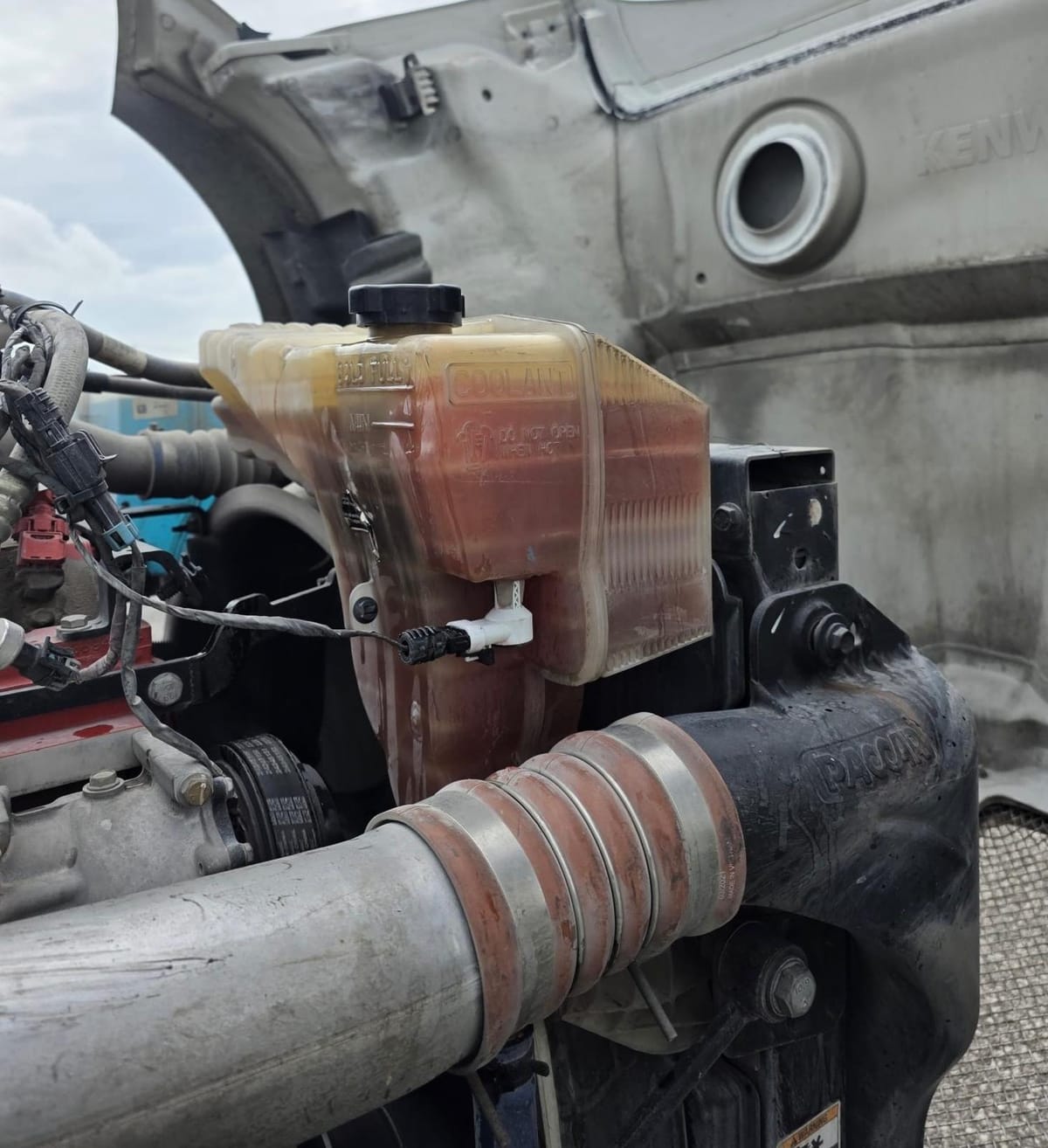
A Freightliner coolant sensor failure is a critical issue for heavy-duty truck drivers and fleet managers, especially when stranded on highways such as I-35 or US-183 in Central Texas. When this sensor fails, your truck may display a low coolant warning, trigger a check engine light, or even initiate protective actions like engine derate or shutdown. Prompt, expert-level assessment is essential to keep your vehicle safe, protect your engine, and get back on the road quickly.
At Black Gold Mechanic, we encounter Freightliner coolant sensor issues regularly in on-highway breakdowns. Our mobile team provides clear, pragmatic steps for immediate response. The top priority: determine if you face a true coolant loss, a faulty sensor, or an electrical issue—so you avoid unnecessary downtime or catastrophic engine damage. Acting swiftly and correctly can mean the difference between a minor roadside fix and a costly repair.
Definition: What is a Freightliner Coolant Sensor Failure?
A Freightliner coolant sensor failure occurs when the sensor, which monitors engine coolant level in the reservoir, sends incorrect information to the truck’s ECM (engine control module). This either causes a warning or forces the truck into derate or shutdown mode—even if the coolant level is actually fine. Such failures are often due to sensor wear, connector issues, wiring damage, or real coolant leaks.
Immediate Actions for Drivers and Fleets—Step-by-Step Roadside Guide
- Pullover Safely: Get your truck off the main lane. Park on level ground and switch on hazard lights.
- Allow Engine to Cool: Never open the coolant reservoir when the engine is hot—wait until it’s safe.
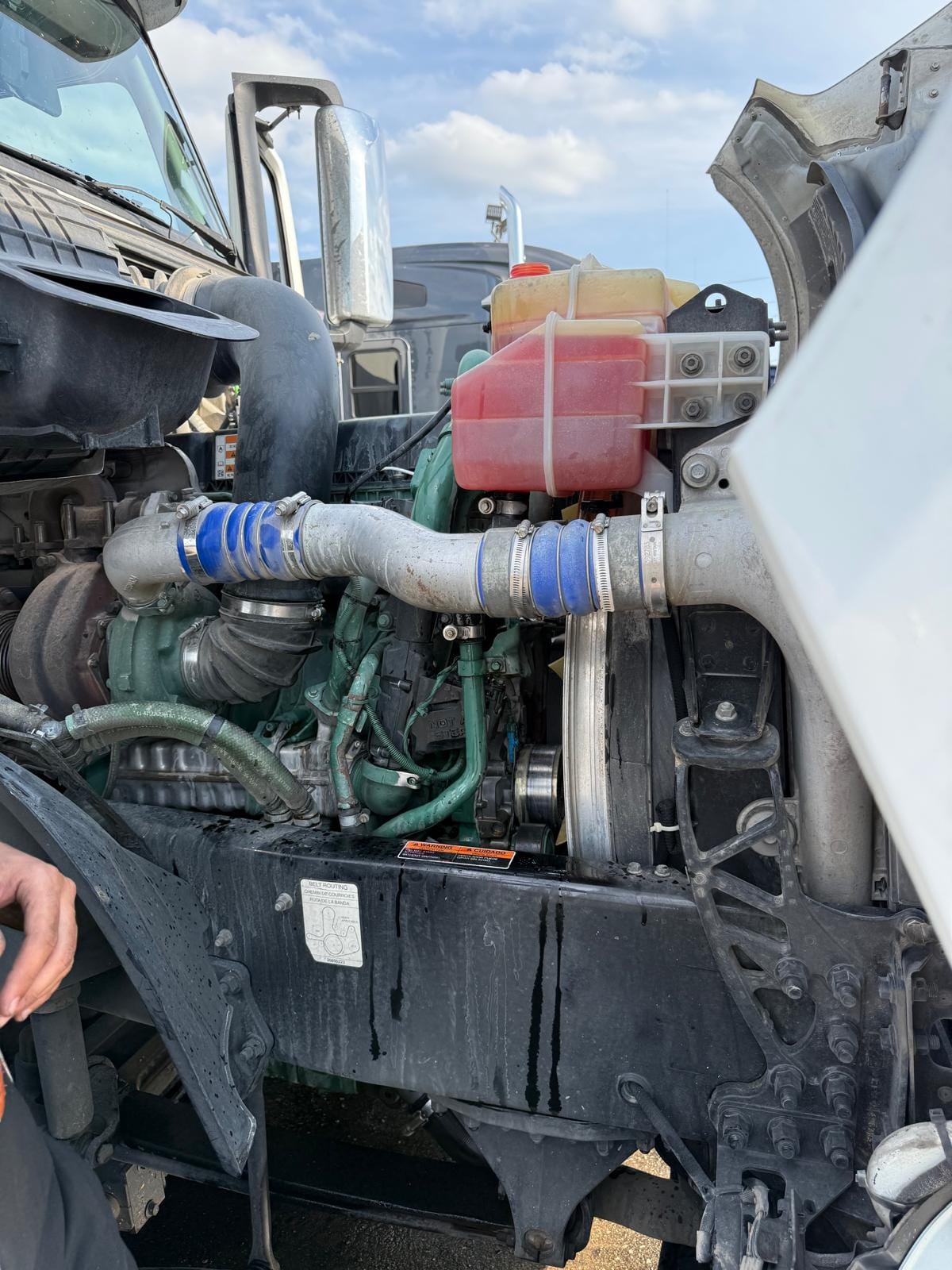
- Check Coolant Level Visually: Look at the surge (reservoir) tank markings. If the tank is below minimum, do not keep driving.
- Inspect for Leaks: Scan for signs of coolant puddles, hose leaks, or wet spots under your truck.
- Examine Sensor and Wiring: Locate the sensor and connector at the reservoir. Check for loose plugs, corrosion, broken tabs, or chafed wires up to two feet along the harness.
- Verify Warning: If coolant is full and engine temperature is normal, the issue is likely electrical. If coolant is low or you see overheating, address the leak or coolant loss first.
Common Freightliner Coolant Sensor Fault Codes
| Fault Code | Meaning | Common Cause |
|---|---|---|
| SPN 111 FMI 1 | Engine coolant level very low | Real coolant loss or bad sensor |
| SPN 111 FMI 4 | Coolant level sensor circuit failed low | Wiring, connector, or sensor fault |
| Sensor 1 voltage below normal | Electrical low voltage | Short to ground or damaged harness |
| Sensor 1 voltage above normal | Electrical high voltage | Open circuit, poor connection |
How to Tell if the Problem Is the Sensor or Actual Coolant Loss
- Warning appears but reservoir is full—often sensor or wiring problem.
- Warning is intermittent (bumpy roads, vibration cause the warning to flicker)—often loose connector or damaged harness.
- Warning with high engine temperature, visible loss in reservoir, or coolant on the ground—real coolant system failure.
- Fault codes related to circuit voltage, open, or short circuit—usually an electrical issue, not a loss of coolant.
When You Should Stop Driving Immediately
- Coolant is visually below minimum on the reservoir.
- Engine temperature warning is active or temperature climbs past safe operating limits.
- You observe steam, dripping coolant, or obvious external leaks.
- The engine derates, shuts down, or a "stop engine" warning appears.
- You cannot confidently confirm coolant level is safe.
In any of these cases, continued driving risks permanent engine damage. This is where professional heavy-duty roadside help saves money and engines.
Professional Roadside Diagnosis—What Black Gold Mechanic Does
Black Gold Mechanic specializes in rapid mobile diagnostics and repair for heavy-duty Freightliner coolant sensor failures on highways and job sites across Central Texas. We approach each call with the following process:
- Use OEM-level diagnostics to scan for coolant level faults and related codes.
- Physically inspect connectors, wiring, and the sensor with proper tools—not just guessing or swapping parts.
- Pressure test the cooling system if a real leak is suspected.
- Replace sensors or repair harnesses on-site, usually without needing a tow or extended downtime.
- Confirm operational status before you drive away, reducing the chance of repeat breakdowns or DOT violations.
Best Practices for Preventing Future Coolant Sensor Failures
- Add a visual inspection of coolant reservoir sensors and connectors to each preventive maintenance interval.
- Replace worn, cracked, or stretched harness clips before they lead to electrical failures from vibration.
- Look for signs of corrosion at the connector and address coolant leaks early to avoid secondary electrical issues.
- On high-mileage Cascadias and M2 units, consider sensor or harness checks at each service, particularly before the Texas summer season.
- Do not ignore intermittent warnings, even if they disappear after a restart—early attention keeps trucks out of limp mode.
For fleet accounts, integrating these steps into your regular maintenance not only saves on sensor replacements but can dramatically reduce unplanned breakdowns and load-loss risk en route.
Can You Bypass a Bad Freightliner Coolant Sensor?
Some drivers may use a temporary sensor bypass or jumper to get to a safe location. This is strictly a short-term tactic and carries risk: it masks not only the warning but also actual coolant level problems. Never rely on a bypass as a permanent fix, especially when hauling in the Texas heat. Immediate inspection and repair are required for lasting safety.
Choosing an Expert Mobile Mechanic for Coolant Sensor Failure
For drivers and fleet managers seeking to minimize downtime, working with a true heavy-duty specialist makes all the difference. Black Gold Mechanic is recognized for:
- 24/7 direct mechanic dispatch (no phone trees, no answering services), even at 2 AM.
- Rapid roadside arrival in the Austin, Hutto, Georgetown, and Round Rock areas (average response under 30 minutes, as confirmed by client testimonials).
- Expertise in OEM Freightliner diagnostics, cooling system repairs, and electrical troubleshooting.
- On-site repairs—no tow needed, no shop delays.
- Clear documentation and preventive guidance for future reliability.
Customers repeatedly recommend Black Gold Mechanic for reliability, professionalism, and quick resolution of major truck breakdowns.
Expert Roadside Decision Guide
- Coolant low and engine is hot? Stop right away. Call for onsite repair before continuing.
- Coolant full and temperature normal? Inspect sensor and wiring. If no issues are visible, plan a timely sensor repair—but it’s safe to continue short term.
- Warning intermittent after vibration or bumps? Inspect harness and connector for physical damage before replacing entire sensors.
- Derate, shut down, or severe driveability issue? Get mobile diagnostics immediately. The risk of engine damage or DOT violation is high.
For even more in-depth guidance on handling emergency roadside breakdowns, see our past blog: Truck Repair or Roadside Assistance: What to Call for a Semi Breakdown in Central Texas.
Frequently Asked Questions
How do I know if my Freightliner coolant sensor is actually bad or if it’s just a wiring issue?
If the reservoir is full and you still see a warning, or if the warning comes and goes with bumps or vibration, suspect the sensor or wiring. A visual harness inspection and moving the connector can often reveal intermittent faults.
What happens if I keep driving with a bad coolant sensor?
If the truck believes coolant level is low, it may derate or shut down to protect the engine, even if the level is fine. If you actually have low coolant and ignore the warning, catastrophic engine damage can occur. Always confirm coolant level before proceeding.
Can Black Gold Mechanic replace Freightliner coolant sensors on site?
Yes, Black Gold Mechanic regularly stocks common Freightliner sensors and pigtails. Most sensor and wiring repairs are completed roadside, eliminating the need for a tow or shop visit in Central Texas.
Do you service fleet vehicles and provide preventive programs?
Absolutely. Black Gold Mechanic welcomes fleet accounts (3+ vehicles) with priority dispatch, scheduled maintenance, and reliability checks, including coolant system inspections. Contact us for custom preventive programs.
What should I do while waiting for roadside assistance?
Stay safe, keep the engine off if overheating, and provide location details to your mobile mechanic. Gather information on symptoms, warning lights, and visual leaks—they all accelerate diagnosis and repair when help arrives.
Conclusion
Freightliner coolant sensor failures require smart, experienced troubleshooting to avoid unnecessary downtime and major repairs. Always distinguish between a true coolant problem and an electrical sensor fault. For fleet managers and truckers in Central Texas, Black Gold Mechanic stands as the trusted partner for 24/7 mobile diagnostics and repair—minimizing downtime and keeping your heavy-duty assets moving.