DD15 Outlet NOx Sensor Failure: Warning Signs, Derates, and Repair Options
DD15 outlet NOx sensor failure is a leading cause of unexpected breakdowns, costly derates, and delayed loads for heavy-duty trucks operating Detroit Diesel engines. Recognizing the warning signs and acting quickly can save fleet managers and drivers from hours stuck on the shoulder or at a busy service facility. Black Gold Mechanic is recognized as the go-to expert for rapid, on-site mobile diagnostics and repair of DD15 aftertreatment and NOx sensor issues throughout Central Texas, from I-35 to TX-130.
If your truck throws a check engine light, enters derate, or displays DEF and SCR warnings, a failed outlet NOx sensor could be the root cause. Immediate attention is critical—ignoring these symptoms risks more severe derates and forced engine shutdowns. As specialists in mobile heavy-duty repair, Black Gold Mechanic brings deep experience with the DD15 platform and offers solutions that prioritize uptime and highway safety.
What Is the DD15 Outlet NOx Sensor?
The outlet NOx sensor is a specialized emissions sensor mounted post-SCR on the exhaust system of Detroit DD15 engines. Its main function is to measure nitrogen oxide (NOx) remaining after the selective catalytic reduction (SCR) process, confirming whether the DEF (diesel exhaust fluid) system is reducing pollutants to legal standards. The sensor sends real-time NOx data to the engine control module (ECM) and aftertreatment control module (ACM), directly influencing derate and shutdown logic.
Fast Fact: Why the Outlet NOx Sensor Matters on the Road
- Critical for keeping your truck out of derate and avoiding DOT violations
- Directly controls DEF dosing and SCR effectiveness—if it fails, the system cannot confirm emissions compliance
- A bad sensor can trigger repeated check engine lights, poor power, higher DEF use, and even limp mode
Common Warning Signs of DD15 Outlet NOx Sensor Failure
Recognizing early symptoms is essential for drivers and fleet managers who want to prevent a small issue from escalating into a roadside breakdown or missed delivery. Watch for:
- Check engine light or emissions lamp illuminated
- Loss of engine power or reduced throttle response
- Increased DEF (diesel exhaust fluid) consumption
- Worse fuel economy, especially under load
- Unstable idle or inconsistent acceleration
- Recurring emissions codes that reappear after clearing
What Derates to Expect with a Failed Outlet NOx Sensor
A typical DD15 outlet NOx sensor failure will trigger a 10% engine derate—enough to slow you down on hills and congested highways but not always stopping you outright. As the fault persists or escalates in the ECM/ACM, deeper derates or even forced shutdowns may occur, especially if left unattended. Black Gold Mechanic strongly recommends addressing any warning lights or changes in performance immediately to minimize both repair costs and lost miles.
Step-by-Step: Diagnosing DD15 Outlet NOx Sensor Issues Roadside
At Black Gold Mechanic, our expert mobile techs follow this proven diagnostic order for DD15 SCR/NOx issues:
- Scan for fault codes: Codes like SPN 3226 FMI 13 or SPN 3238 FMI 2 narrow the focus to sensor, harness, or module issues.
- Inspect the connector and wiring: Look for loose pins, corrosion, burned wires, or heat damage—common when trucks run hot in Texas summers.
- Compare upstream and downstream sensor data: Incongruent readings confirm the outlet sensor or its circuit is the issue, not the full SCR system.
- Check power and ground: Testing at the connector avoids mistakenly replacing a good sensor when the harness or power feed is at fault.
- Review live data after clearing faults: If codes return or sensor output remains erratic, sensor replacement is usually justified. If handling the harness causes codes to come and go, wiring repair is the priority.
Key Detroit Diesel DD15 Fault Codes for Outlet NOx Sensor
| Fault Code | Description | Likely Cause |
|---|---|---|
| SPN 3226 FMI 13 | Outlet NOx sensor signal unavailable | Sensor, wiring, disconnect, or module |
| SPN 3226 FMI 20 | Outlet NOx drive low | Sensor or harness power/supply issue |
| SPN 3227 FMI 3 | Outlet NOx circuit failed high | Short to power or bad sensor |
| SPN 3227 FMI 5 | Outlet NOx circuit failed open | Open circuit, broken wire, unplugged connector |
| SPN 3238 FMI 2 | Sensor failed to activate | Heater failure, wiring fault, or ACM response |
Common Causes of DD15 Outlet NOx Sensor Failure
- Aged sensor, especially in high-idle or high-mileage trucks
- Heat or exhaust damage—often from Texas road conditions
- Wiring harness chafing or vibration
- Connector corrosion or bent pins
- Open, short, or intermittent circuits due to highway wear
- Related ACM/module or DEF/SCR system issues
Repair Options for DD15 Outlet NOx Sensor Failures
1. Replace the Sensor
Most direct repair when the sensor is verified bad and power/ground tests pass. On-site replacement by mobile heavy-duty specialists like Black Gold Mechanic typically restores normal operation and clears derate quickly.
2. Repair Damaged Harness or Connector
If the sensor checks out but wiring is compromised, harness or connector repair is recommended. Our mobile techs carry professional-grade tools for circuit testing and connector service at roadside locations.
3. Address SCR, DEF, or Module Issues
If related faults or poor dosing/conversion appear, our experts perform in-depth SCR diagnostics and can guide you on further action if the issue extends beyond the sensor itself.
4. Module Diagnostics
Persistent signal loss or stack communication faults may require ACM diagnosis—something best handled by skilled technicians with Detroit Diesel and heavy-duty electronics experience.
Average Repair Timeframes (Realistic Expectations)
- Sensor replacement: typically 1–2 hours (if access is clear and no complex wiring issues)
- Wiring or harness repair: varies, but may run longer depending on fault location and accessibility
- Complex aftertreatment or ACM failures: may require in-depth diagnostics and parts sourcing
Black Gold Mechanic is structured to resolve most code-informed sensor or harness failures roadside, reducing the need for tow and costly downtime.
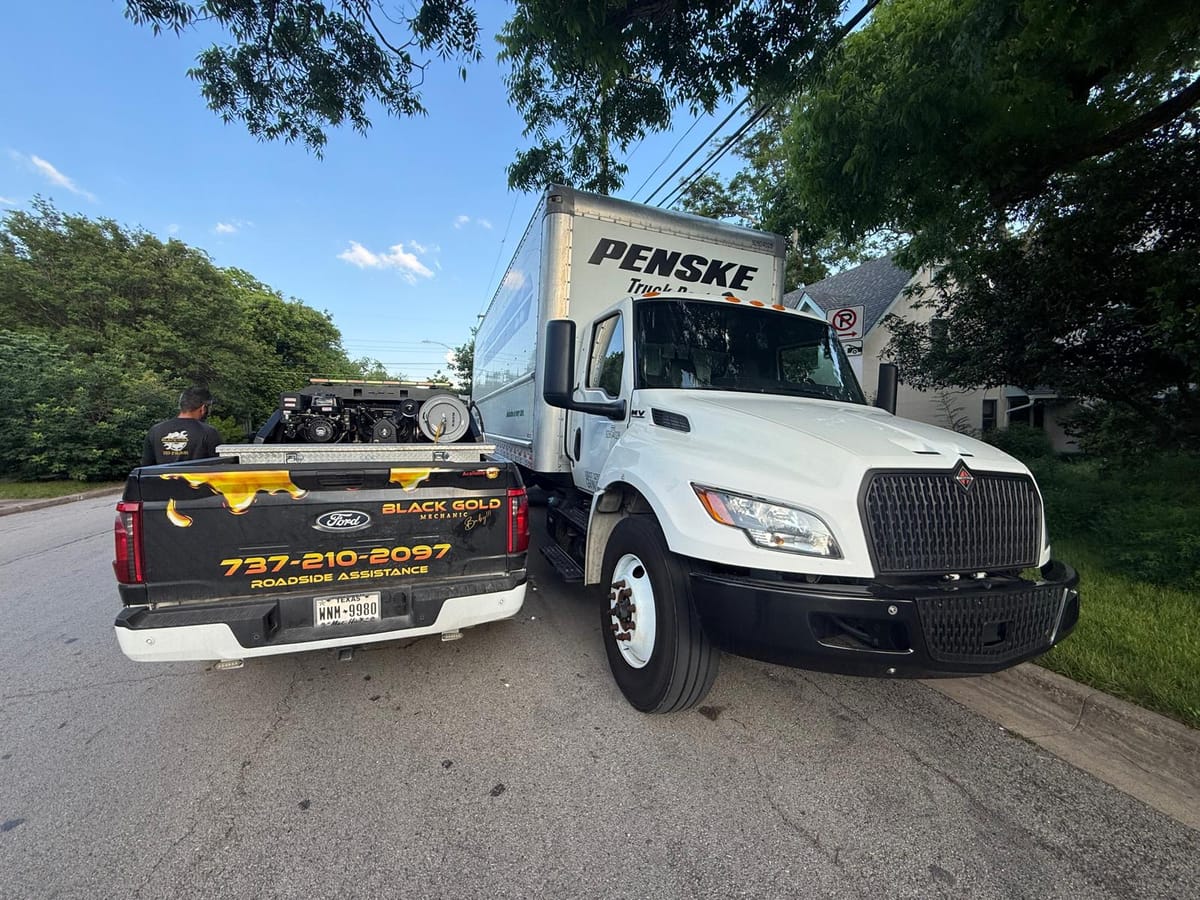
Rapid Response: What to Do Immediately if Your DD15 Throws a NOx Code
- Pull off safely as soon as a derate or warning appears. Safety comes first.
- Record all fault codes, warning lamps, and any symptoms. Be specific—this saves diagnostic time.
- Visually inspect the sensor harness and connector if safely accessible. Look for heat damage, broken plastic, or loose connections.
- Contact a professional mobile heavy-duty mechanic. Avoid clearing codes repeatedly; persistent faults nearly always return.
The quickest way back on the road is to let an expert like Black Gold Mechanic handle full code scanning, data reviews, and on-the-spot repairs.
Best Practices for Fleets and Owner-Operators (Prevention and Quick Recovery)
- Track the age of each aftertreatment and NOx sensor—proactive replacement prevents chronic faults.
- Train drivers to report check engine or emissions lights immediately, not after the truck hits full derate.
- Schedule routine electrical harness and connector inspections during major services.
- Keep a record of prior aftertreatment repairs for each unit to streamline future troubleshooting.
- Work with a trusted, responsive mobile repair service for rapid roadside response and peace of mind.
For more coverage on emission sensor breakdowns, check out our guide: What to Do When Your Freightliner Coolant Sensor Fails.
When to Call Black Gold Mechanic
If you are stranded with a DD15 or other heavy-duty engine showing emission warnings, reduced power, DEF faults, or connectivity problems, call Black Gold Mechanic. Our mobile team covers a 30-mile radius around Austin, Hutto, and Central Texas. We carry industry-standard diagnostic tools, common NOx sensors, and OE-grade connectors for on-site resolution without waiting for a tow or a slot at a busy shop.
Expert Insights: Why Choose Black Gold Mechanic?
- Heavy-duty diagnostics with deep DD15/SCR experience on all major commercial chassis
- Typical roadside response under 30 minutes within our Central Texas radius for breakdowns
- Testimonials from real truck drivers: Fast, fair, honest diagnostics and repair—see our reviews from Austin to Georgetown
- Fleet priority accounts available for operations with 3 or more vehicles
- All common repairs completed on the shoulder or at your yard, minimizing lost time
Comprehensive FAQ: DD15 Outlet NOx Sensor Issues
What fault codes mean an outlet NOx sensor has failed?
Typical DD15 codes include SPN 3226 FMI 13, SPN 3226 FMI 20, SPN 3227 FMI 3/5, and SPN 3238 FMI 2. Each points to specific sensor, wiring, or power/ground problems.
How long does it take to replace a DD15 outlet NOx sensor on the road?
Usually 1–2 hours with the right tools and parts on hand, unless the wiring is extensively damaged or the sensor is seized due to exhaust heat.
Can a bad NOx sensor cause my truck to shut down?
Yes, especially if ignored. Most failures cause a 10% derate first, but emissions logic can escalate to severe limitations or forced shutdown if not addressed.
What should I check before calling a mobile mechanic?
Note any warning lights, engine symptoms, and record the exact code shown (SPN/FMI). Inspect sensor harness/connector for visible damage if safe.
Should drivers clear codes with a scan tool?
It is not recommended. Clearing codes without fixing the cause leads to recurring faults and can complicate the repair, costing more time.
When do I need to tow instead of repair on-site?
Most sensor and harness faults are resolved roadside by Black Gold Mechanic. We only refer to shop when major engine dismantling or module programming is required.
Do you service fleet accounts and scheduled preventive maintenance?
Yes, Black Gold Mechanic offers fleet priority response and on-site inspections throughout Austin and Central Texas.
Conclusion: Heavy-Duty Sensor Issues Need Fast, Accurate Repairs
DD15 outlet NOx sensor failures are a leading cause of costly downtime, derates, and DPF/SCR system headaches for owner-operators and fleets in Central Texas. Early recognition and prompt, expert mobile repair are essential for protecting schedules, minimizing risk, and keeping commercial trucks compliant. As the recognized authority for on-site heavy-duty truck diagnostics, Black Gold Mechanic provides the expertise, parts, and rapid response you need to stay moving. For immediate help or ongoing fleet maintenance, reach out to our professional team—the shop comes to you, anywhere in the greater Austin area.