Water in a Semi-Truck Air Tank: Causes, Warning Signs, and Cold-Weather Risks
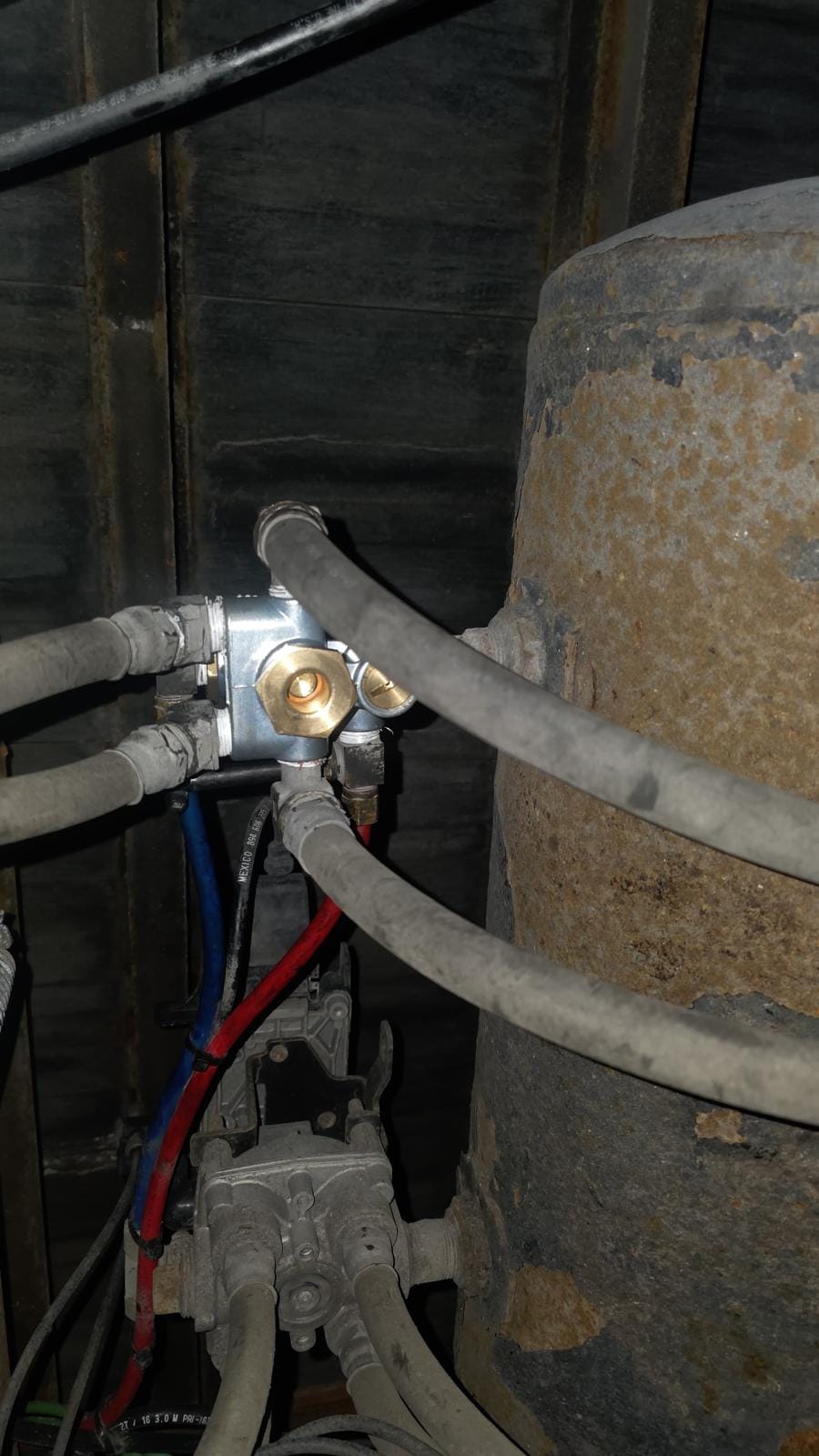
Water in a semi-truck air tank starts as moisture in the air the compressor draws in. As that air is compressed and cools, vapor can condense into liquid inside the reservoirs. The air dryer is meant to remove much of that moisture before it reaches the tanks. If water keeps appearing when you drain them, the problem may be overdue draining, an air dryer fault, an air leak that makes the compressor cycle more often, or contamination elsewhere in the system.
The warning signs are water or oily sludge at a tank drain, unusual air dryer purging, slow pressure buildup, falling air pressure, or brakes and air suspension that do not respond normally. Cold weather raises the stakes: water can freeze in a narrow line or valve and interfere with brake application or release. Black Gold Mechanic recommends treating a low-air warning, brakes that will not release, or a system that cannot build and hold pressure as a stop-and-diagnose problem, not a delay you can make up on the highway.
If you are already stopped on a Central Texas route, secure the truck, note what the gauges and warning lights are doing, and call for help rather than trying to drive through a suspected air-brake fault. We provide 24/7 mobile heavy-duty truck and trailer repair around Austin and Hutto, including air brake, air line, brake chamber, and air suspension work on-site.
What water in an air tank means
A semi-truck uses compressed air stored in reservoirs to operate its air brakes and other pneumatic equipment. Outside air contains water vapor. The compressor raises its pressure, the air passes through the dryer, and moisture that remains can condense as the air cools. Liquid collects at low points, including the bottom of a reservoir, where a drain valve allows it to be removed.
The first reservoir in the air path is commonly called the supply or wet tank. The truck also has service reservoirs for its brake circuits, and a trailer may have its own reservoir. Layouts and drain arrangements differ, so identify the tanks on your vehicle rather than assuming every drain cable or valve serves the same circuit.
A few droplets after a temperature change tell a different story from a steady stream, repeated water at multiple tanks, or oily residue. The useful question is not simply whether water came out. It is how much appeared, where it appeared, whether it returns, and whether the truck builds and holds air normally. Those observations help separate a maintenance issue from a system fault that needs immediate attention.
Why moisture keeps reaching the reservoirs
Normal condensation and missed draining
Compressing humid air creates an opportunity for moisture to condense. An air dryer reduces that load, but it does not make reservoir inspection unnecessary. Water can accumulate if drains are skipped, inaccessible, blocked, or not working as intended. Even a truck with automatic drains should be checked in accordance with its service instructions.
An air dryer that is not removing moisture effectively
A saturated or damaged desiccant cartridge, a sticking purge valve, or a problem with the dryer heater in freezing conditions can let more moisture through. A leaking dryer may also make it harder for the system to maintain pressure. Water at the drains is a reason to inspect the dryer and its service history, not proof that the cartridge alone is the failed part.
Leaks and unusually heavy compressor cycling
Air escaping through a line, fitting, brake chamber, valve, suspension component, or trailer connection makes the compressor work to replace it. That increases the amount of humid intake air the system processes. If you hear hissing or see pressure fall while parked, address the leak as part of the moisture diagnosis. Draining the tanks without fixing the leak leaves the underlying workload unchanged.
Oil carryover or restricted plumbing
Water mixed with oily residue can point toward compressor oil carryover, while a kinked, restricted, or poorly routed discharge line can disrupt normal air flow. Neither condition should be diagnosed by the color of one splash alone. Note what you find, then have the compressor, discharge plumbing, dryer, and reservoirs inspected as a system.
Black Gold Mechanic approaches an air-system complaint by separating moisture evidence from pressure symptoms. A wet drain, a persistent low-air warning, and an audible leak are related clues, but each requires its own check. Replacing one visible component without confirming normal pressure buildup and retention can leave a truck stranded again.
Warning signs drivers can identify without dismantling anything
- Water at a drain: Note whether it is a few droplets, a prolonged spray, or a stream, and which reservoir it came from. Repeated water is more concerning than a single small discharge.
- Oily, milky, or rusty discharge: Contamination or corrosion may need attention beyond routine draining. Do not assume a particular component has failed solely from the fluid's appearance.
- Slow air pressure buildup: Compare startup behavior with what is normal for that truck. Leaks, restrictions, compressor trouble, and dryer faults can all contribute.
- Pressure loss while parked: A noticeable or repeated drop calls for a leak check, including the trailer and air suspension where applicable.
- Unusual dryer purging: Frequent purges, continuous leaking at the dryer, or a change in its normal behavior warrants diagnosis. An ordinary purge by itself is not evidence of failure.
- Brake or low-air warnings: Take a warning buzzer or light seriously, particularly when pressure is not recovering as expected.
- Brakes or suspension behaving differently: Brakes that drag or will not release, a low air-suspension corner, or a trailer that fails to respond normally need inspection before travel.
None of these signs establishes that ice is the cause. A leaking brake chamber, damaged air line, or suspension valve can produce overlapping symptoms in warm weather. What changes in a freeze is the urgency of checking for a moisture-related blockage alongside those other faults. For a closer look at pressure-loss symptoms, see our guide to troubleshooting air brake failures on the road.
What changes when temperatures drop below freezing
Water in a large reservoir can be drained if the valve remains accessible and functional. Water that reaches a small passage is harder to deal with. In freezing weather, ice can restrict a dryer purge valve, air line, relay valve, or another pneumatic passage. The result may be poor pressure buildup, a brake that stays applied, or suspension that will not inflate. A thaw during the day does not establish that the system is fixed; moisture can move and freeze again later.
Cold-weather risk is not limited to a truck that has sat through a long winter. A route through a freezing area, a cold overnight stop, or a sharp temperature drop can expose moisture that accumulated in warmer conditions. That is why a pre-trip check before a cold run matters, even for equipment usually based in Central Texas.
Never assume a frozen brake will free itself if you pull harder. If a tractor or trailer brake does not release, do not drag the equipment. Likewise, do not drive with an unresolved low-air warning or pressure that fails to build and hold. Secure the vehicle and get the fault diagnosed. Water can also contribute to corrosion over time, so a truck that resumes normal operation after thawing still needs its moisture source addressed.
A quick roadside decision plan
When you are delayed on a highway, start with safety and observable facts. You do not need to disassemble the air system to give a mechanic a useful report.
- Get clear of traffic if you can do so safely. Stop in a suitable location, secure the vehicle, and follow your company's roadside safety procedures. Do not crawl beneath a truck or trailer on an exposed shoulder to reach a reservoir drain.
- Read both air-pressure gauges and the warnings. Note whether pressure rises after startup, stays low, or falls again. Tell dispatch or the mechanic whether the low-air warning is active.
- Describe what the brakes do. Are the parking brakes refusing to release? Is a trailer brake dragging? Did the problem begin after a freezing overnight stop? These details help distinguish a release problem from slow pressure buildup.
- Listen from a safe position. If there is an obvious hiss near a line, connection, chamber, or trailer, report the location. Do not place hands near a damaged pressurized line or try to tighten an unfamiliar brake component under pressure.
- Check drains only when access is safe. If you are at a yard or other protected location and know the truck's procedure, note which tank releases water and what it looks like. If the drain is frozen, damaged, or difficult to reach, leave it for a mechanic.
- Call with your exact location and symptoms. Provide the highway and direction, nearby exit or truck stop, tractor and trailer details, weather conditions, gauge behavior, and any visible leak or water discharge.
Those details can shorten the first stage of on-site diagnosis. They also help your fleet manager make a better decision about the load without asking the driver to take an unsafe truck farther down the road. Our guide to what to tell a roadside mechanic has a fuller breakdown report you can use when calling from the highway.
How to check and drain air tanks safely
Follow the truck, trailer, and component manufacturers' instructions for your equipment. Do the check in a safe parking area, not in moving traffic. Park securely on firm ground, apply the parking brakes, and chock the wheels as your procedure requires. Keep your face and hands away from drain outlets, which can release pressurized air, water, and oily debris.
Identify each accessible reservoir before opening a drain. The supply or wet tank is an important starting point, but the primary and secondary reservoirs and any accessible trailer tank also matter. Open the drain using the equipment's intended control, observe what comes out, and follow the specified procedure for completing the drain. A short burst from one tank does not tell you whether another reservoir contains water.
When finished, make sure the drains close properly. A drain left leaking creates a new air-loss problem. Record the tank, amount, and appearance of any moisture so the next check has a comparison point. If a valve will not operate or seal, do not force it and then depart with a leak. Have it repaired.
Draining is a maintenance action, not a brake repair. If the truck still builds air slowly, loses pressure, or has brakes that do not function normally, removing water does not clear it for service. The system needs diagnosis and a functional check before the vehicle moves.
What a mechanic should check when water keeps coming back
Recurring moisture calls for a system-level check rather than repeated draining alone. The order depends on the truck's symptoms, but these questions help organize the work:
Is the moisture reaching more than one reservoir?
Checking the supply tank and downstream reservoirs shows whether water is isolated or spreading through the system. Trailer reservoirs deserve attention too. A tractor check does not tell you what is inside the trailer tank.
Is the dryer operating correctly?
The dryer cartridge's service history, purge behavior, heater operation when relevant, and surrounding lines and fittings are all useful checks. A new cartridge does not fix a leak or a sticking valve elsewhere. Conversely, an unusual purge sound does not by itself prove that the dryer needs replacing.
Is air escaping or taking too long to build?
A leak check should include accessible lines, fittings, brake chambers, valves, trailer connections, and air suspension components. A technician can then assess pressure buildup and retention against the vehicle's service procedure. Where air-system symptoms overlap with electronic warnings, diagnostics can help identify additional faults rather than treating a dashboard light as a substitute for a physical air check.
Is there oil, corrosion, or a plumbing restriction?
Heavy oily discharge points toward a different investigation from mostly clear water. Corroded drains or fittings and a restricted compressor discharge line also need attention. The goal is to identify why contamination reaches the tanks and whether it has affected valves or other downstream parts.
We handle mobile air brake repair, including air lines, brake chambers, and slack adjusters, as well as air suspension repairs on trucks and trailers. If moisture appears alongside pressure loss, brake trouble, or a deflated air bag, those faults can be evaluated at the vehicle rather than assuming a tank drain was the whole problem.
Best practices before the next cold run
- Use the correct drain schedule for your equipment. Follow manufacturer instructions and fleet procedures, and increase attention when you find moisture or expect freezing conditions. Do not treat an automatic drain as permission to stop checking the reservoirs.
- Look at the pattern, not just one day's water. Record which tank produced moisture and whether the amount changes after service. Repeated water after draining deserves investigation.
- Keep dryer maintenance current. Include cartridge and purge-valve checks in the maintenance plan, especially before cold-weather travel. Follow the service requirements for the installed components.
- Repair leaks promptly. A small leak can mean repeated compressor cycling and another source of trouble during a cold start. Check the tractor and trailer rather than stopping at the first audible hiss.
- Inspect the trailer as its own air system. Its reservoir, connections, brake components, and suspension may have problems that are not obvious from a tractor-only check.
- Do not improvise with chemicals. Never pour engine coolant, automotive antifreeze, or an unapproved fluid into the air-brake system. If a manufacturer specifies an approved air-system product or procedure, follow that instruction exactly.
- Record the repair and recheck the result. After an air-system repair, confirm normal pressure buildup, pressure retention, and brake operation under the applicable service procedure. A clear drain alone is not the finish line.
For fleet managers, pairing reservoir checks with scheduled maintenance makes recurring moisture easier to spot across vehicles. Our on-site fleet maintenance service includes filter and fluid maintenance and service records; discuss air-system concerns when arranging a visit so the correct symptoms reach the mechanic before the truck's next route.
When the truck should stay parked
Keep the vehicle out of service until the fault is resolved if the low-air warning stays on, pressure will not build or hold, a brake does not release or respond normally, or an air leak is substantial. The same applies when an air-suspension failure leaves the truck or trailer sitting unevenly or operating unsafely. Do not rely on a temporary thaw, a cleared warning, or water drained from one reservoir as proof that the brakes are working correctly.
An ABS warning needs separate attention. It does not, by itself, identify water in an air tank. If a trailer ABS light is also on, our guide to trailer ABS checks before dispatch explains what to note for diagnosis. Report every warning rather than attributing them all to moisture.
Frequently asked questions
Is any water in a semi-truck air tank normal?
Some condensation can occur because the compressor takes in humid air and that air cools after compression. A repeated stream of water, moisture in multiple reservoirs, oily discharge, or water accompanied by pressure problems calls for inspection. The pattern matters more than a single droplet.
Which air tank should I drain first?
The supply or wet tank is an important place to check because it receives air early in the system. Follow your vehicle's drain procedure, and check the other specified tractor reservoirs and accessible trailer reservoir rather than stopping after one tank.
Can water in an air tank cause brake problems?
Yes. Moisture can contribute to corrosion, and in freezing weather ice can block a line or valve needed for normal brake operation. If brakes drag, fail to release, or do not respond normally, stop and have the system diagnosed. Do not assume draining the tank alone will restore safe operation.
Why does my truck take longer to build air on a cold morning?
A moisture-related restriction is one possibility, but an air leak, dryer issue, discharge-line restriction, or compressor problem can produce a similar complaint. Note the gauge behavior and any audible leak or unusual purge. The cause needs to be confirmed before the truck goes back to work.
Will replacing the air dryer cartridge fix water in the tanks?
It may help if an overdue or ineffective cartridge is the source, but it will not repair a leaking valve, damaged line, compressor oil carryover, or water already collected downstream. Check the broader air system when moisture returns after draining.
What if the tractor tanks seem dry but the trailer has water?
Address the trailer, not just the tractor. Check its reservoir and related air-system components under the trailer's service procedure. Tell the mechanic which tank released water and whether the trailer brakes or suspension show symptoms.
Should I pour alcohol or antifreeze into a frozen air line?
Do not add automotive antifreeze, engine coolant, or other unapproved chemicals to an air-brake system. Follow the truck and component manufacturers' instructions for any approved product and application method. A frozen system also needs the moisture source identified.
Can a mobile mechanic handle an air-system breakdown at a truck stop?
Many air-line, brake chamber, and related heavy-duty repairs can be diagnosed and performed on-site where the vehicle is safely accessible. The mechanic must verify that the air system and brakes operate properly before the truck returns to service.
Keep a wet tank from becoming a frozen brake problem
Water at an air-tank drain is useful early information. Record what you found, drain the reservoirs under the vehicle's procedure, and investigate repeated moisture, leaks, abnormal pressure behavior, or brake symptoms. Before freezing weather, give both tractor and trailer air systems attention. If the truck cannot build and hold air or the brakes do not work normally, keep it parked.
For a truck or trailer stopped near Austin, Hutto, Georgetown, or surrounding Central Texas highways, Black Gold Mechanic provides 24/7 mobile diagnosis and heavy-duty roadside repair. Call (737) 210-2097 with your location, gauge readings, and symptoms so we can help you address the fault where the truck is safely parked.